All Categories
Featured
Table of Contents
Baymard Institute. Search Engine Land. Quartz.
More consumers are embracing the convenience of shopping online, with a 100% increase in curbside grocery pickup in 2024 compared to 2022. As people try to balance requiring schedules, focus on contactless choices, and choose for benefit, grocery merchants need to adapt their operations to satisfy this rising demand. With online grocery sales expected to reach over $305 billion by 2030, it's clear that grocery order pickup is here to stay.
The fast growth of curbside grocery pickup has provided some difficulties for retailers. The surge in online buying and in-person pickup has actually strained stock management systems. Grocery shops struggle to precisely track and update stock levels in genuine time, causing overselling and understocking problems. The absence of technology and smooth combination between online platforms and in-store stock leads to inconsistencies and consumer aggravation when items are unavailable or substituted without previous notification.

It can be challenging for stores to handle selecting, packaging, and staging curbside pickup orders within tight timeframes. Without a trained personnel or optimum store designs and picking routes, there are delays, mistakes, and increased labor expenses. Employees might feel overworked and charred out, leading to minimized productivity. Customers expect a seamless and hassle-free grocery order pickup experience, however shops might fall brief of these expectations.
Comparing Local Pickup Options or Home Shipping
Furthermore, the absence of easy to use mobile apps and timely SMS alerts results in a lack of exposure into the pickup procedure. These inconsistencies deteriorate client commitment and damage the store's reputation. As curbside pickup gains appeal, clients' expectations for convenience, versatility, and personalization increase. Supermarket may struggle to keep up, lacking the agility to broaden pickup time slots, provide same-day or express alternatives, and provide replacement choices.
With rising competitors and increased need for in-person grocery order pickup options, retailers need to find and execute strategies to simplify operations and stay up to date with demand. Among the main reasons some clients select curbside grocery pickup is to reduce physical contact and prospective exposure to health threats. Supermarket should carry out measures that minimize touch points throughout the pickup process to cater to these concerns, including: These involve mobile wallet integration or online prepayment to remove the requirement for money or card handling throughout pickup.
Streamlining Local Pickups by means of Fulfillment Apps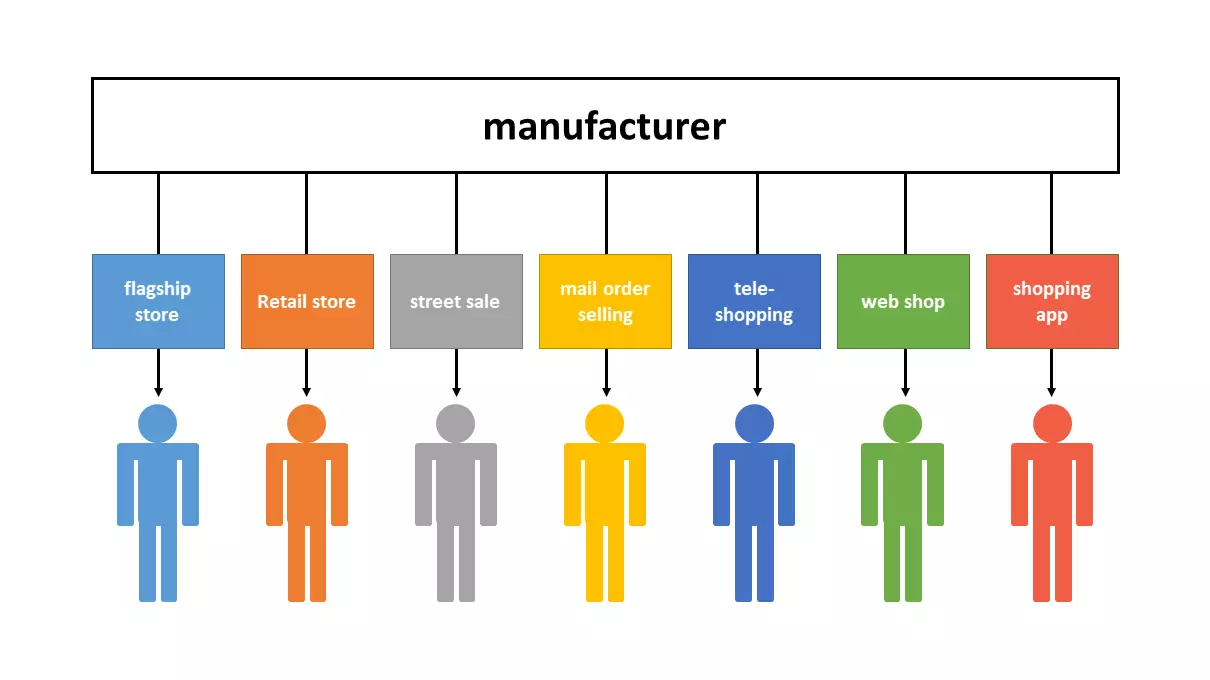
Having devoted personnel rapidly load orders into automobiles can lessen wait times and boost performance. Focusing on touch-free alternatives allows grocery stores to show their dedication to consumer security and complete satisfaction. Location innovation, such as geofencing and GPS tracking, can improve the performance of curbside grocery order pickup. Harnessing the power of location technology enables retailers to optimize order fulfillment, lower consumer wait times, and enhance the pickup experience.
These notifies enable staff members to prioritize order preparation based upon customer distance, making sure orders are prepared just in time for arrival. GPS tracking can likewise provide real-time updates on client location, assisting staff handle pickup queues more effectively. To integrate these technologies, shops can partner with third-party logistics providers or develop internal options that sync with their existing order management systems.
Unlocking Key Advantages of Multi-Channel Sales Systems
These lockers allow clients to obtain their orders at their convenience without the need for direct staff interaction. Supermarket can install temperature-controlled lockers for shelf-stable products, perishables, and frozen goods. Providing 24/7 access to pickup lockers allows shops to relieve pressure on curbside personnel during peak hours, minimize pickup lines, and offer consumers with higher flexibility.
Integration with existing order management and notice systems ensures a seamless consumer journey from purchase to pickup. Covered parking structures can substantially boost customers' curbside grocery pickup experience.
Efficient pickup areas can likewise help improve order precision and lower wait times, leading to higher client satisfaction. Cantilever structures offer a clear period for simple maneuvering, making them best for hectic curbside pickup areas.
The Advancement of International Sales and Marketplace ManagementFor remarkable protection versus the components, shops ought to consider covered parking structures made from waterproof products. Additionally, solar-panel integration allows supermarket to harness sustainable energy while offering shade and protection for curbside pickups. Clear and proactive interaction is vital for a seamless grocery order pickup experience. Customers expect prompt updates on order status, pickup instructions, and potential delays or alternatives.

Latest Posts
Guide to Managing High-Volume Inventory Across Digital Marketplaces
Optimizing Next-Gen Retail Logistics Strategies
Utilizing Local Pickup to Enhance Retail Efficiency