All Categories
Featured
Table of Contents
As grocery shop pickup demand grows, retailers must invest in specialized training for personnel involved in pickup operations. Workers must be well-versed in order fulfillment procedures and client service finest practices. Training programs must focus on developing abilities such as efficient order selecting, accurate order assembly, and effective customer interaction.
By gearing up staff with the knowledge and abilities required to provide remarkable service, shops can guarantee a smooth and satisfactory curbside grocery pickup experience. As demand for curbside grocery order pickup services continues to surge, customer-centric scheduling systems are important for handling need and ensuring a smooth buyer experience. Permitting clients to pick their favored pickup times permits them to plan pickups around their schedules, causing increased satisfaction and commitment.
In addition, carrying out versatile scheduling policies, such as enabling consumers to modify or cancel their pickup times within a sensible time frame, can enhance the consumer experience. An effective workflow is essential for handling increased grocery order pickup volumes. Supermarket should evaluate their present processes and identify areas for enhancement, consisting of: Redesigning the store design to create devoted pickup locations.
Implementing one-way aisles to reduce congestion. Carrying out mobile innovation, such as hand-held gadgets or wearables, can help staff rapidly find items, update stock in genuine time, and communicate with coworkers. As need for pickup services grows, grocery stores should adopt advanced techniques and systems for real-time inventory tracking and forecasting.
Adapting to 2026 Market Trends Utilizing New TechDevice learning algorithms can examine historical sales data, seasonal patterns, and consumer habits to forecast future need and optimize inventory levels. Incorporating these technologies with existing order management systems allows grocery shops to proactively deal with possible stockouts and enhance order accuracy. Supermarket should optimize their order satisfaction methods to keep up with the growing need for curbside pickup.
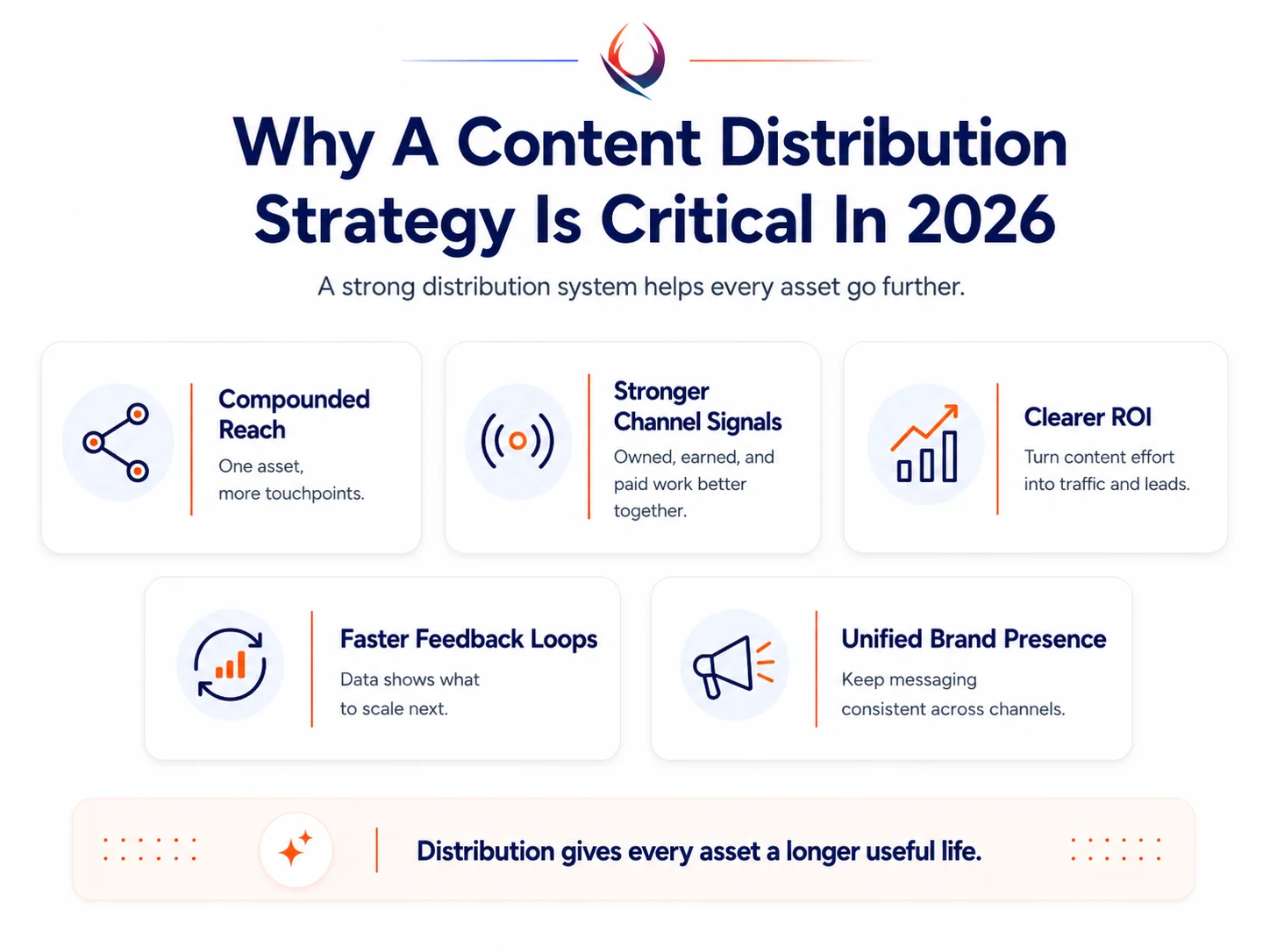
Optimizing Next-Gen Retail Logistics Strategies
Think about these handy approaches: An extensive system can assist automate order allowance, picking, and packaging processes. Designating specific locations for order staging and carrying out transparent labeling systems can help staff rapidly find and load orders into customer lorries.
Analyzing historic sales information, seasonal changes, and consumer habits permits merchants to find grocery pickup demand trends and strategy for them. Advanced analytics tools can identify patterns and connections that may not be immediately apparent, such as the impact of weather on item preferences or the relationship in between advertising activities and pickup volumes.
Predictive analytics can likewise assist staffing decisions, ensuring sufficient personnel are offered during peak pickup hours. With data analytics, grocery merchants can proactively improve the performance of curbside pickup services. Retailers need to actively seek and incorporate client feedback to stay ahead in the rapidly developing grocery pickup landscape. Routinely collecting insights through surveys, online evaluations, and direct client interactions can help identify locations for improvement and guide future service enhancements.
A proactive consumer service method is also vital for dealing with concerns quickly and turning negative experiences into favorable ones. By embracing constant enhancement driven by client feedback, sellers can stay agile and adapt to the ever-changing demands of the curbside grocery pickup market. Here are answers to a few of the most typical concerns about making the most of grocery pickup: Covered parking structures offer essential weather condition defense for customers and workers throughout curbside pickup.
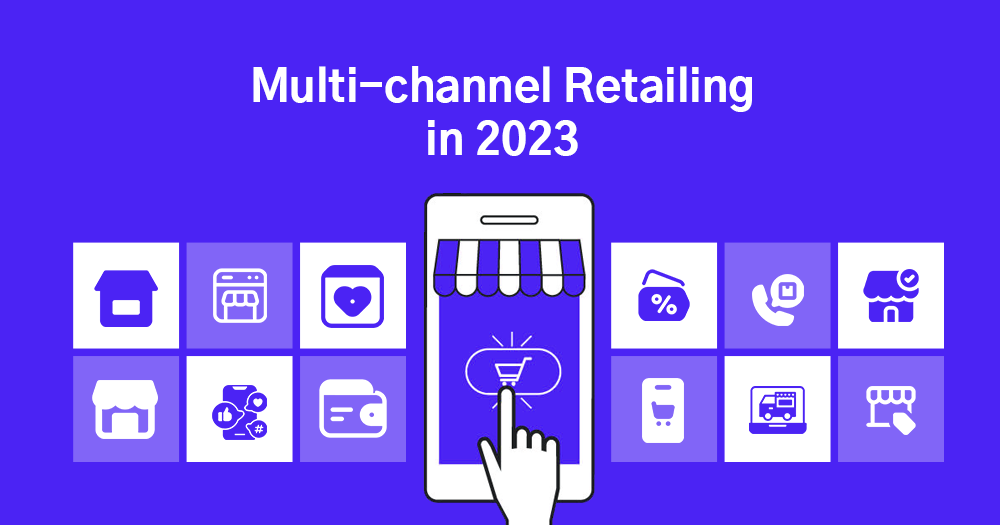
Synchronizing Global Inventory Across All Sales Channels
Shade structures also help define devoted pickup zones and improve traffic circulation, adding to increased customer fulfillment and loyalty. To effectively handle inventory for curbside pickup, supermarket should purchase advanced stock management systems that supply real-time stock updates and smooth integration between online platforms and in-store stock. Executing tools like RFID innovation, automated replenishment systems, and data analytics can help enhance order satisfaction accuracy.
These ingenious structures offer necessary weather condition protection, plainly specified filling zones, and boosted branding chances. With customizable alternatives and benefits like solar panel combination and water resistant materials, VPS can provide a tailored option for your shop.

Leading omnichannel merchants are refining the experience of buying online and selecting up in-store. Walmart, for example, is try out a devoted drive-up and parking for online customers. Source: Walmart. The development of purchasing online and choosing up in shop, as well as in-store returns for online purchases, is driving customer shopping expectations.
Unlocking Primary Advantages of Integrated Sales Systems
What follows are key consider carrying out BOPIS purchase online, choose up in-store. It begins with awareness. Finest Buy sensibly doesn't wait up until the item information page to promote BOPIS. By integrating its offering early in the browse experience, Best Buy catches consumers in the consideration phase, providing a compelling option to the benefit of Amazon Prime.

Latest Posts
Guide to Managing High-Volume Inventory Across Digital Marketplaces
Optimizing Next-Gen Retail Logistics Strategies
Utilizing Local Pickup to Enhance Retail Efficiency